Bleak Christmas celebrations ahead of 2025.
3 min read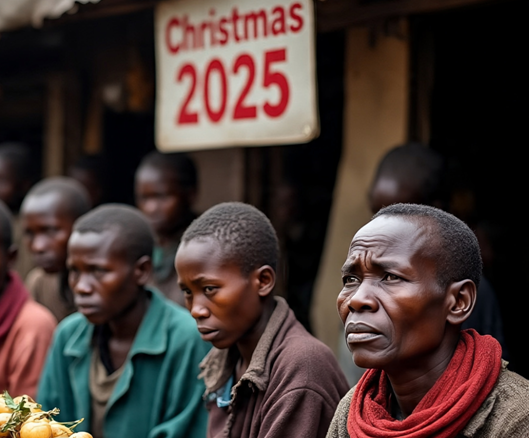
Christmas celebrations are expected to be subdued in Nigeria, particularly in the Southeastern region, as the cost of living continues to soar. Food prices have skyrocketed, with a 50kg bag of rice selling for between N85,000 and N125,000, while a bag of beans costs around N110,000 to N170,000. The price of a live cow ranges from N600,000 to N1,000,00 depending on size.

Umuaka Times market survey confirmed that essential items have also witnessed significant price hikes. A carton of chicken laps now costs N50,000, up from N29,000 last year, while a carton of turkey has jumped from N35,000 to N60,000. A kilogram of goat meat costs N4,000, and frozen foods have doubled in price as well.
Transportation cost is another area people have been grumbling over with airfares seeing a staggering 218% increase since June. A one-way ticket from Abuja to Lagos now costs between N220,000 and N285,000. While Abuja or Lagos to the South-east is over N400,000 for a one way ticket depending on the airline. Land transport fares have also risen, with a trip from Abuja to Lagos costing between N46,500 and N60,000 while Lagos to Southeast or South-South last week reached over N45,000 depending on the transport firm.
The high cost of living has forced many Nigerians to scale back their Christmas plans. “I had to adjust my budget; it’s just too expensive,” said a resident of Lagos of Igbo origin. The situation is dire, with many families struggling to afford basic necessities.
Against the ugly backdrop of economic crisis, the Federal Government has been urged to intervene and address the rising cost of living across the country. However, with inflation at 34.6% in November, the highest in 28 years, relief seems far-fetched.
Nigeria’s economic roadmap under the APC government, led by President Bola Ahmed Tinubu, has faced significant challenges since taking office on May 29, 2023. The administration inherited a struggling economy from itself which is the same political party with a depleted treasury, multiple exchange rates, and a costly fuel subsidy system.
To manage the situation, Tinubu scrapped the costly petrol subsidy, aiming to save the country from financial collapse. However, this move led to increased fuel prices, transportation costs, and inflation. Till date, Nigerians are yet to see the dividends of fuel subsidy removal by any standards.

Another move the Federal Government claims to have made which is yet to flourish was the Central Bank of Nigeria’s unified multiple exchange rates, fostering a market-determined official rate and clearing foreign exchange backlog. Just last month being November, inflation soared to 34.6% with food inflation exceeding 40%.
14.2 million Nigerians fell into poverty in 2023, pushing 24 million below the national poverty line and the country’s total public debt surged from ₦87 trillion in June 2023 to over ₦183 trillion by December 2024.
Collapsing roads, erratic power supply, and declining oil production have continued to hinder economic growth in the last 24 months and beyond.
Observers and critics have continued to accuse the Federal Government of lack of transparency in its dealings; critical questions surround the utilization of subsidy savings, with calls for monthly reports on deployment.
Reforms have disproportionately affected the poor, while the elite groups benefit at all levels.
The APC government’s economic roadmap which is said to have the capacity to stabilize the economy has an implementation that has been marred by challenges and criticisms. Addressing these concerns will be crucial to achieving sustainable growth and reducing poverty.
The Christmas celebration of 2025 will indeed be a nightmare to many.