Duane “Keffe D” Davis identified as the killer of Tupac Shakur after 30 years.
4 min read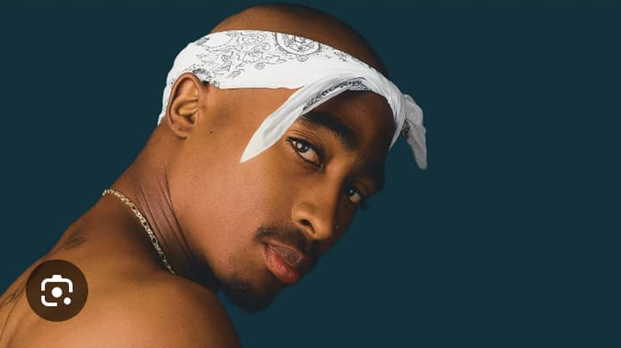
(Jury convicts former gang leader over role in 1996 killing, but identity of actual gunman remains unresolved).

Nearly three decades after the death of legendary American rapper Tupac Shakur, a Nevada jury has found former gang leader Duane “Keffe D” Davis guilty of first-degree murder for his role in the killing. Davis, 63, became the first person to be convicted in connection with the September 1996 murder of Shakur, whose death at the age of 25 became one of the most enduring mysteries in the history of popular music across America. The verdict, delivered by a Clark County jury on August 31, 2026, followed a trial in which prosecutors argued that Davis helped organize and participate in a retaliatory attack against Shakur following an earlier confrontation involving Davis’ nephew, Orlando “Baby Lane” Anderson.

However, the conviction does not mean that prosecutors established the identity of the person who actually pulled the trigger. Davis was accused of orchestrating and participating in the attack rather than personally firing the shots that killed Shakur.
Shakur was in Las Vegas on September 7, 1996, with Death Row Records co-founder Marion “Suge” Knight and members of his entourage. Earlier that evening, Shakur and members of his group became involved in a confrontation at the MGM Grand Hotel with Orlando Anderson, who was associated with the South Side Compton Crips gang.
Prosecutors told the court that the confrontation became the immediate motive for a retaliatory attack. Later that night, Shakur and Knight were travelling in a BMW when a white Cadillac pulled alongside their vehicle at a traffic light. Gunmen inside the Cadillac opened fire. Shakur was struck four times, while Knight was also wounded. The rapper was rushed to hospital but died six days later, on September 13, 1996. He was only 25.
His murder subsequently became one of the most famous unsolved killings in American entertainment history. For years, investigators were unable to bring charges in the case. Davis’ name, however, had surfaced repeatedly during investigations into the murder. The case eventually gained new momentum because Davis himself had spoken publicly about the events surrounding Shakur’s killing. He discussed the incident in interviews and other public appearances and later detailed aspects of his life and the events surrounding the shooting in his 2019 memoir, Compton Street Legend.
Prosecutors used Davis’ own statements as important evidence, arguing that they demonstrated his knowledge of and participation in the events leading to Shakur’s death. The prosecution portrayed Davis as a senior figure who helped organize the retaliation following the confrontation at the MGM Grand. According to the prosecution’s theory, Davis and the other men were searching for Shakur and Knight when they eventually encountered their vehicle and carried out the shooting.
One of the most important questions surrounding the case remains unanswered. Investigators had long suspected Orlando Anderson, Davis’ nephew, of being the gunman. Umuaka Times gathered last week that Anderson had been involved in the confrontation with Shakur at the MGM Grand earlier on the night of the shooting. Davis had also previously identified Anderson as the person who fired the shots. But Anderson was never charged with Shakur’s murder.
He was killed in an unrelated gang shooting in Compton, California, in 1998, less than two years after Shakur’s death. Consequently, he was never brought before a court to answer the allegations. At Davis’ trial, prosecutors did not obtain a conviction against Anderson or formally establish in court that he was the person who fired the fatal shots. This means that the distinction between the person convicted of participating in the murder and the person who physically fired the weapon remains important.
Davis pleaded not guilty and his lawyers challenged the prosecution’s reliance on his previous statements. The defense argued that Davis had made contradictory statements over the years and had sometimes portrayed himself as more important to the events than he actually was. His lawyers also emphasized that Davis was not alleged to have fired the gun himself and questioned whether his statements could reliably establish that he knowingly participated in a murder. The prosecution, however, maintained that Davis’ statements, combined with other evidence presented during the trial, demonstrated his involvement in the retaliatory attack. The jury ultimately rejected the defense’s arguments.
The conviction represents a major development in a case that has fascinated the world since 1996. Tupac Shakur, born Lesane Parish Crooks, became one of the most influential figures in hip-hop before his death. His music addressed poverty, racism, violence, social inequality, relationships and life in America’s inner cities, earning him a huge international following.
The murder of the young rapper coming at the height of the bitter East Coast-West Coast rivalry in American hip-hop, generated decades of speculation and conspiracy theories. For almost 30 years, however, there had been no conviction in the case. The guilty verdict against Davis now provides the first judicial determination that an identified individual was criminally responsible for participating in Shakur’s killing.
Davis has not yet reached the end of his legal battle. Following the guilty verdict, he faces sentencing and could receive life imprisonment without parole.
His sentencing is scheduled for October 13, 2026. His lawyers have also indicated that they intend to appeal the conviction. The appeal could therefore become the next major chapter in a murder case that has remained in the public spotlight for almost three decades. For now, however, the historic verdict has changed the status of the Tupac Shakur murder from a case with no conviction to one in which Duane “Keffe D” Davis has been found guilty of first-degree murder for his role in the killing.
Who actually pulled the trigger on the night Tupac Shakur was shot? Nearly 30 years after the rapper’s death, that question remains officially unresolved.