
Budget priorities under fire as ₦30 billion goes to religious and traditional institutions.
2 min read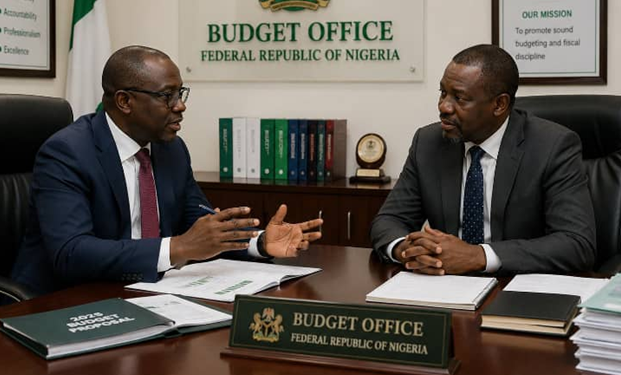
Fresh details from Nigeria’s current federal budget have sparked widespread criticism over government spending priorities, with citizens questioning the allocation of billions of naira to religious and traditional institutions at a time the country is battling severe economic hardship, insecurity, unemployment, poor healthcare, and a struggling education sector.
Contrary to viral claims that the federal government allocated ₦400 billion for churches and mosques, public accountability organization Tracka, reports that the actual allocation is ₦8.05 billion for religious projects. The funds cover 59 projects across the country involving the construction, renovation, rehabilitation, and equipping of places of worship.

According to the budget analysis, ₦6.14 billion has been earmarked for 52 mosque-related projects, including mosque construction, solar power installations, and Islamic centres. Another ₦1.91 billion is allocated to seven church-related projects, covering church renovations and the procurement of equipment.
Beyond religious projects, Tracka also identified an additional ₦22.15 billion for royal palace-related projects. Combined, federal spending on religious and traditional institutions exceeds ₦30 billion in the current budget.
The allocations have generated widespread public debate, with many Nigerians expressing concern over what they describe as misplaced priorities. Critics argue that the federal government has no constitutional responsibility to fund the construction or renovation of churches and mosques, insisting that such projects should primarily be undertaken by religious organizations and their members rather than financed with public funds.
Another major source of concern is the placement of these projects within ministries and agencies whose core mandates have little or no connection with religious affairs. Budget analysts have pointed to instances where religious projects appear under ministries responsible for agriculture, labour, and other unrelated sectors, raising fresh questions about transparency, accountability, and the budgeting process.
Many Nigerians have also questioned why scarce public resources are being committed to religious infrastructure while millions of citizens continue to face deteriorating living conditions. Across social media and public discourse, citizens have argued that the same funds could have been directed toward more pressing national priorities.
Among the areas frequently identified by concerned Nigerians are the rehabilitation of public hospitals and primary healthcare centres, the provision of modern medical equipment, the construction and renovation of public schools, improved funding for teachers and educational infrastructure, rural road construction, water supply projects, youth employment and skills acquisition programs, agricultural support for food production, electricity infrastructure, security operations, and interventions to cushion the effects of inflation on vulnerable households.
Public policy experts note that while the ₦8.05 billion allocated specifically to churches and mosques represents a relatively small fraction of the overall federal budget, the controversy highlights a broader debate about government priorities, fiscal discipline, and the efficient use of taxpayers’ money during a period of significant economic challenges.
As public scrutiny of budget implementation intensifies, civil society organizations are calling for greater transparency, stronger legislative oversight, and a budgeting process that places greater emphasis on investments capable of delivering measurable improvements in the lives of ordinary Nigerians.


