The Harrowing Realities LGBTQ+ Individuals Face in Nigeria and West Africa.
3 min read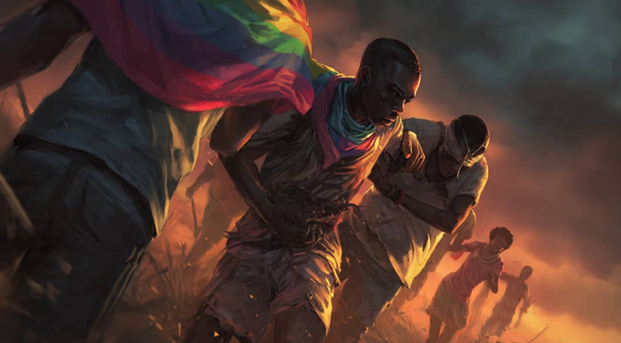
Sexual minorities across Nigeria and some parts of West Africa, continue to face a deadly combination of legal persecution, social hostilities, and violent attacks. The climate of fear is particularly acute in Nigeria, where anti-gay sentiment has escalated into extrajudicial killings, mob violence, and systemic harassment of the LGBT community members across Nigeria.

Recent observations by Umuaka Times showed that beyond legal restrictions, LGBTQ+ people in Nigeria face severe social rejections; families may disown or violently expel members suspected of being gay, while communities engage in mob attacks, public shaming, or attempts at forced “conversion.” Some top LGBT voices disclosed that media campaigns, politicians and state actors sometimes openly call for violence against LGBTQ+ citizens in Nigeria. Records show that in 2022, multiple reports surfaced of men being kidnapped by vigilante mobs in Lagos, Imo and Kano after being accused of homosexuality. Many were severely beaten and only released after their families paid ransom to the criminals.

Nigeria has witnessed numerous instances of mob violence targeting LGBTQ+ individuals; reports have it that vigilante groups have stormed homes, bars, and private gatherings, while social media campaigns have publicly “outed” suspected gay men, exposing them to harassment, job loss, or violent assault.
Tragic and highly condemnable cases illustrate such risks. Ikenna, a breadwinner for his widowed aged mother from Imo State, disappeared after traveling to meet someone he met on social media in another state. Strong suspicions suggest that he may have been murdered by anti-gay criminals. In 2016, Akinnifesi Olumide Olubunmi was reportedly beaten to death in Ondo State over accusations related to homosexuality. Also in Lagos, a medical scientist known as Dr. Donald was murdered in cold blood because of his sexual orientation.
Reports Umuaka Times gathered across Nigeria show that several individuals, including Gift Esohe Iroghama, Onche Samson Emmanuel, Adesola Tunmise, Mark Ejiro, Emmanuel Onuoha, and Ernest Osagie Osayende, have narrowly escaped lynching respectively and fled the country due to their sexuality. Yet their safety remains precarious because returning home will most likely be suicidal due to continued surveillance and threats from family members, local youths, religious authorities, and anti-gay hostage takers.
In the case of Emmanuel Onuoha, a female chorister in one of the local churches in Calabar who spoke with Umuaka Times on the condition of anonymity confirmed that Onuoha who used to be a member of her church has been on the run for some years now over LGBT violence. “Brother Emmanuel ran away from here because he was caught with a pastor in a homosexual act. I am surprised that his name is still on the hit list of the youths, police and others who hate gay people. Recently it was confirmed that his partner, Pastor Eddy passed away after he contracted a deadly infection during detention.”
Police enforcement adds another layer of danger to the daily activities of gay persons in Nigeria. Gay men are frequently subjected to arbitrary arrests under vague “public morality” laws, extortion, and sexual assault in detention. Human Rights Watch and Amnesty International have documented cases of torture, rape, and forced payments by gay detainees to avoid imprisonment. Top human rights voices in some states have called on the government to look into these violations.
Mr Anthony Ojukwu, a clinical psychologist and health rights activist told Umuaka Times that the constant threat of violence and discrimination against gay men have devastating mental health consequences, including severe anxiety, depression, and post-traumatic stress disorder. He further disclosed that “Many avoid healthcare services for fear of being targeted and social isolation is common as individuals hide their identities and relationships”.
Findings show that anti LGBT dangers are not unique to Nigeria alone. In Ghana, similar incidents have been widely reported as well; Umuaka Times correspondents reported that in 2020, Ebenezer Okang in Accra survived a vigilante attack after being accused of being gay. Between 2023–2025,Rightify Ghana, documented hundreds of attacks involving kidnapping, extortion, torture, and assault of gay and bisexual men.
In conclusion, the persistent violence and discrimination faced by the LGBT community in Nigeria and parts of West Africa reveal a crisis that extends far beyond legal restrictions, social hostility, extrajudicial killings, police brutality, and mental health challenges. Without systemic legal protections and societal change, gay men remain vulnerable to persecution and murder across Nigeria.
Granted that LGBTIQ activities are banned, it does not give any individual power to violate the rights of others and commit crime by hiding behind the anti- gay laws of the country.