Innocent Duru calls for central body to unite Umuaka autonomous communities.
3 min read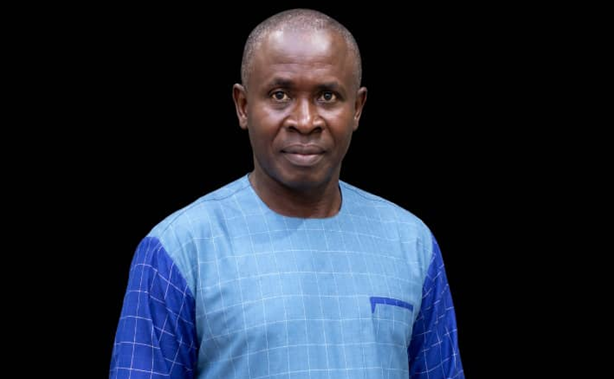
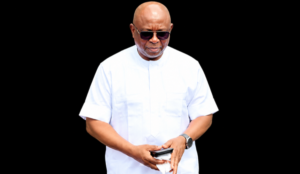
A prominent stakeholder in Umuaka, Mr. Duru Innocent, has called for the establishment of a non-partisan central body to unite the town’s 10 autonomous communities and provide coordinated leadership on issues affecting the entire community.

Speaking with Umuaka Times last week, Duru said the “time has come for Ndi Umuaka to create the office of a President-General who would serve as the collective voice of the community while respecting the constitutional and traditional authority of the autonomous communities.”
According to him, the absence of a central coordinating body has contributed to the challenges facing Umuaka today, particularly issues surrounding Afor Umuaka Market, security and Umuaka Community Hospital.
“There is a need for Ndi Umuaka to have a President-General that will be speaking for the entire Umuaka,” he said.
Drawing comparisons with other communities, Duru noted that Umuaka indigenes in the diaspora have long recognized the importance of unity through umbrella organizations.
“Umuaka in America, the United Kingdom, South Africa, Mozambique and many other parts of the world have their central bodies, but there is none at home, while we all know that charity begins at home,” he stated.
He also cited the example of Nigeria’s Niger Delta region, arguing that communities that speak with one voice are better positioned to pursue development and protect their collective interests.
In a press statement made available to Umuaka Times last week, Duru outlined several benefits of establishing a central coordinating body for the entire Umuaka community.
According to him, such a body would provide coordinated development by planning and implementing projects that benefit all autonomous communities, including roads, healthcare facilities, schools, water supply and electricity. He added that a unified structure would help eliminate duplication of efforts and ensure resources are directed to areas of greatest need.
He further argued that a united Umuaka would have a stronger voice when engaging local, state and federal governments, thereby improving the community’s chances of attracting government projects, grants and public investments.
On peace and stability, Duru said the proposed body could serve as a neutral platform for resolving disputes involving land, boundaries, traditional matters and other shared interests, thereby promoting harmony among the autonomous communities.
He also identified economic growth as a major benefit, explaining that a united community would be more attractive to investors and better positioned to pursue joint initiatives in agriculture, commerce, tourism and infrastructure development.
Duru who is a building contractor also disclosed that a central body would facilitate efficient resource mobilization by pooling contributions from the various autonomous communities to finance major development projects while attracting greater support from Umuaka indigenes in the diaspora and development partners. He maintained that the organization would play a significant role in preserving Umuaka’s shared cultural heritage by promoting cultural festivals, documenting local history and safeguarding traditions while respecting the unique identity of each autonomous community.
He further stated that the body could improve community security through coordinated intelligence sharing, neighbourhood watch programs and emergency response initiatives.
The stakeholder also highlighted opportunities for youth and women through scholarships, skills acquisition programs, entrepreneurship training, sports development and leadership initiatives that would benefit the entire community.
In addition, he said the organization would provide better representation for Umuaka in engagements with government institutions, traditional authorities, private organisations and international development partners, while encouraging common standards on sanitation, environmental protection, education support, market administration and other areas of public interest.
He emphasized that regular interaction among community leaders and residents would foster trust, reduce unnecessary rivalry and strengthen the collective identity of NdiUmuaka.
Duru, however, stressed and reminded Akalites that the proposed central body should not diminish the authority of any autonomous community. Instead, he said it should function as a coordinating institution built on fairness, transparency and consensus. He recommended that the body should respect the constitutional and traditional autonomy of all autonomous communities, clearly define its responsibilities, guarantee equitable representation, operate transparently and ensure accountability in its financial and administrative affairs.
Calling on traditional rulers, presidents-general, political leaders, professionals, youth groups, women organizations and other stakeholders to support the initiative, Duru expressed confidence that a united Umuaka would be better positioned to pursue sustainable development, strengthen advocacy on issues affecting the community and preserve the common heritage of Ndi Umuaka.
He concluded that while each autonomous community should retain its independence, a central coordinating body would provide the collective leadership needed to promote unity and advance the overall development of Umuaka.