
Nigeria set to “receive” Ebola Virus.
4 min read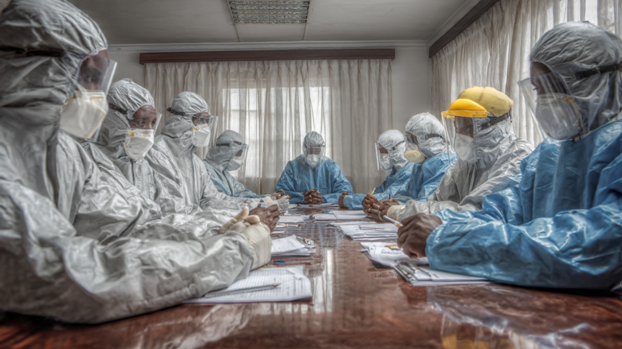
Nigeria has heightened its public health preparedness amid growing fears of a potential Ebola virus outbreak, following a warning issued by the Nigeria Centre for Disease Control and Prevention (NCDC). The agency last week placed Lagos, the Federal Capital Territory (Abuja), Kano, Rivers, and six other states on high-risk alert after assessing that Nigeria faces a significant risk of importing the deadly Bundibugyo strain of Ebola Virus Disease (EVD).

The alert was communicated through a national public health advisory sent to health commissioners across all 36 Nigerian states and the Federal Capital Territory. In the advisory, the NCDC urged authorities to urgently strengthen disease surveillance systems, expand isolation facilities, and reinforce infection prevention and control measures nationwide.

The warning follows an escalating Ebola outbreak in parts of Central and East Africa, particularly in the Democratic Republic of Congo (DRC) and Uganda. The World Health Organization (WHO) recently classified the regional outbreak as a Public Health Emergency of International Concern due to the increasing number of infections and deaths.
Umuaka Times gathered that Nigeria has not recorded any confirmed Ebola cases linked to the current outbreak, but health officials say the country remains highly vulnerable because of extensive international travel, busy seaports and airports, and porous land borders that facilitate informal cross-border movement.
According to figures cited in the advisory, the outbreak epicenter has reported more than 1,000 suspected cases and over 240 deaths, representing a fatality rate of nearly 25 percent. The NCDC identified 10 Nigerian states as being at the highest risk because they serve as major international transit hubs or border regions. These include Lagos, Abuja (FCT), Rivers, Kano, Enugu, Borno, Akwa Ibom, Cross River, Taraba, and Adamawa states. Authorities stressed that while all states must maintain basic preparedness and containment measures, the high-risk states are expected to rapidly improve laboratory testing capacity, emergency response systems, and dedicated isolation units.
One major concern highlighted by the NCDC is that there is currently no approved vaccine or targeted treatment for the Bundibugyo strain of Ebola. Existing vaccines, including the Ervebo vaccine, were developed specifically for the Zaire strain of the virus and are not proven to protect against the Bundibugyo variant.
Health officials therefore emphasized that early detection, rapid isolation, contact tracing, and strict infection prevention measures remain the most effective tools for preventing widespread transmission. The agency also reminded the public that Ebola is not an airborne disease. Transmission occurs through direct contact with the blood, bodily fluids, or contaminated surfaces associated with infected individuals or animals.
Medical workers across Nigeria have been advised to remain highly vigilant, especially because the early symptoms of Ebola—including fever, fatigue, muscle pain, headaches, vomiting, diarrhea, abdominal pain, and hiccups—closely resemble common tropical illnesses such as malaria and Lassa fever.
The NCDC warned healthcare personnel not to wait for severe symptoms such as unexplained bleeding before isolating suspected cases and conducting detailed travel and exposure assessments. Nigeria’s National Emergency Operations Centre has now entered active alert mode to coordinate response efforts between federal and state health authorities. State governments have also been instructed to evaluate the readiness of public and private healthcare facilities, including the availability of personal protective equipment (PPE), ambulance transfer systems, safe laboratory sample handling, and contact tracing mechanisms.
History of Ebola Since 1976
Ebola Virus Disease was first identified in 1976 during simultaneous outbreaks in what is now the Democratic Republic of Congo and South Sudan. The disease was named after the Ebola River near the village where one of the first outbreaks occurred. Since its discovery, Ebola has caused multiple outbreaks across Africa, often with high fatality rates ranging from 25 percent to as high as 90 percent depending on the virus strain and healthcare response capacity. There are several known strains of the Ebola virus, including the Zaire, Sudan, Bundibugyo, and Tai Forest species. The Zaire strain has historically been the deadliest and was responsible for the devastating West African epidemic between 2014 and 2016.
That outbreak primarily affected Guinea, Liberia, and Sierra Leone, resulting in more than 28,000 infections and over 11,000 deaths, making it the largest Ebola epidemic ever recorded. The crisis severely strained healthcare systems and triggered global concern about pandemic preparedness. Nigeria was praised internationally during the 2014 outbreak for successfully containing Ebola after a traveler infected with the virus arrived in Lagos from Liberia. Through aggressive contact tracing, isolation protocols, and public awareness campaigns, Nigerian authorities prevented widespread community transmission and limited the outbreak to 20 cases and eight deaths.
Since then, several African countries have strengthened their epidemic response systems, although recurring outbreaks continue to pose serious health and economic risks.
The current concern surrounding the Bundibugyo strain highlights ongoing challenges in global public health preparedness, particularly because no licensed vaccine currently exists for that variant. Public health experts continue to stress the importance of rapid detection, regional cooperation, border surveillance, and sustained investment in healthcare infrastructure to prevent future outbreaks from escalating into international crises.