
South Africa “an empty street, an empty house”.
3 min read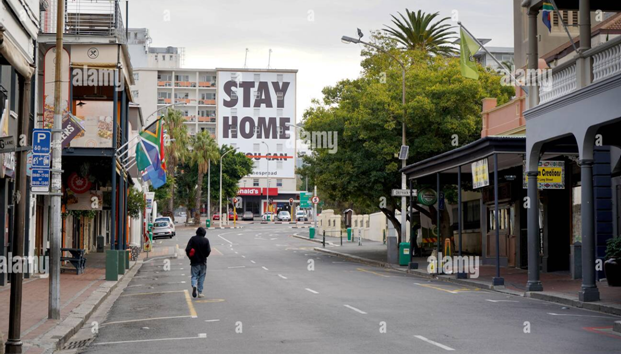
Umuaka Times correspondents in have confirmed that South Africa’s ongoing deportation and immigration enforcement operations have triggered widespread concern among human rights groups, migrant communities, and sections of the business sector, as tensions continue between state-led enforcement and anti-immigration protests.

The government has maintained that all immigration actions are being carried out strictly under the law by state authorities, while rejecting vigilante enforcement or informal ultimatums issued by protest movements such as March & March and United South Africa, which have called for tougher action against undocumented migrants.

As at press time last week, highly dependable sources disclosed to Umuaka Times that human rights and refugee organizations, including the Consortium for Refugees and Migrants in South Africa (CoRMSA), Lawyers for Human Rights, Amnesty International South Africa, the South African Human Rights Commission, and the United Nations High Commissioner for Refugees (UNHCR), have raised concerns about intimidation, forced removals, and xenophobic violence. They have urged authorities to ensure that constitutional protections and due process are applied to all individuals, regardless of nationality or legal status. Several civil society groups, including faith-based organizations, trade unions, and migrant associations, have also organized solidarity actions and provided legal and humanitarian support to affected communities.
Economic effects are increasingly being reported across multiple sectors. Taxi operators in cities such as Johannesburg and Durban have noted reduced passenger volumes, particularly among migrant commuters who have either left affected areas or are staying indoors amid unrest.
Landlords and informal accommodation providers are also reporting declining occupancy in areas with high migrant populations. Some property owners have reportedly evicted foreign tenants due to fears of targeted attacks, while others anticipate further income losses if departures continue.
Retail supply chains linked to migrant-owned spaza shops have also been disrupted. Thousands of such shops have reportedly closed temporarily or permanently, affecting wholesalers, distributors, and transport businesses that rely on them for steady demand.
Employers in sectors including agriculture, construction, hospitality, security services, domestic work, and logistics have warned that continued deportations could contribute to labour shortages and reduced economic output, though most impacts remain projected rather than fully measured.
This exercise cannot go with no financial implications. So far, the only confirmed financial cost relates to security operations. President Cyril Ramaphosa has authorized the deployment of 3,405 members of the South African National Defence Force (SANDF) to support police operations, with an estimated cost of about 54.6 million rand (approximately US$3.4 million).
While analysts expect broader economic consequences including reduced tax revenue, lower rental income, and supply chain disruptions, these effects have not yet been formally quantified.
Amid the tensions, cultural commentary has also emerged; Umuaka Times correspondents in South Africa have likened the current situation in South Africa to the Irish pop group Westlife. The song in question was released in the year 2000 titled, “My Love” which says, “An empty street, an empty house
A hole inside my heart
I’m all alone, the rooms are getting smaller
I wonder how, I wonder why
I wonder where they are
The days we had, the songs we sang together, oh, yeah
And oh my love, I’m holding on forever.”
Westlife in the song metaphorically describes communities experiencing population outflows linked to migration enforcement.
However, officials and analysts continue to emphasize the distinction between lawful deportations carried out by the state and citizen-led protests or intimidation campaigns, warning that conflating the two could obscure the legal and humanitarian dimensions of the situation.
For now, most organized opposition remains with rights groups and civil society organizations, while business-related impacts are being felt indirectly through reduced mobility, lower consumer activity, and disruptions in migrant-linked economic networks.
South Africa may have shot itself on the foot as more damaging ripple effects of the deportation exercise are expected.